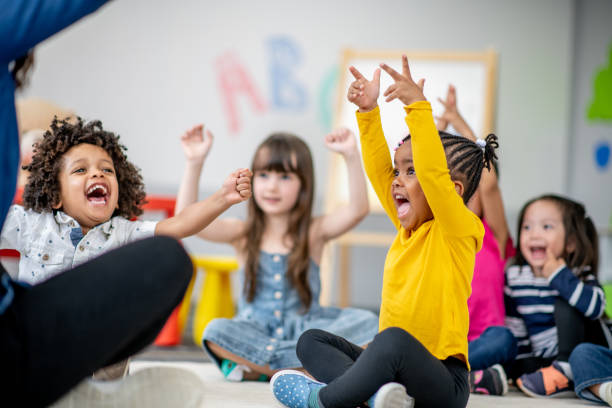
Protecting children from harm and exploitation remains one of society’s most fundamental responsibilities. Safety risks often seem to be borne from external hazards, but real safety starts at home, and we need to be constantly educated and aware in the public domain. When parents, teachers and community members are empowered with accurate information, from a passive concern they become a powerful line of defense. When families educate themselves on risk factors and take the appropriate action, they ensure that their children can be in a safe environment and grow, learn, and thrive with total confidence each day.
Dispelling Common Myths About Child Safety

A misconception is that child abuse and exploitation occur mainly by strangers in public places. However, clinical research and community data show that a significant portion of abuse occurs within familiar environments or close personal circles. Detailed news reports like https://www.ksl.com/article/50709545/nonprofit-highlights-need-to-help-stop-child-sex-trafficking-in-utah emphasize how correcting public misconceptions helps families focus their protective efforts where they matter most. Knowing what those threats are really can help parents set up healthier limits, have open dialogue, and prepare for what risks might be there if they occur before any harm happens, keeping the kids safe at home and in public.
Empowering Parents and Caregivers with Practical Tools
Education helps caregivers notice the early signs and signals of changes in behavior or emotions of children. Teaching parents how to discuss personal boundaries, body autonomy, and digital safety in age-appropriate ways creates a protective family culture. If the children feel free to discuss and report unsafe situations quickly, they will be more likely to do so if they know they can speak freely with trusted adults without fear of judgment. Educational resources accessible to families increase confidence and create safe environments at home for open, honest, caring, and supportive conversations.
The Role of Community and School-Based Programs
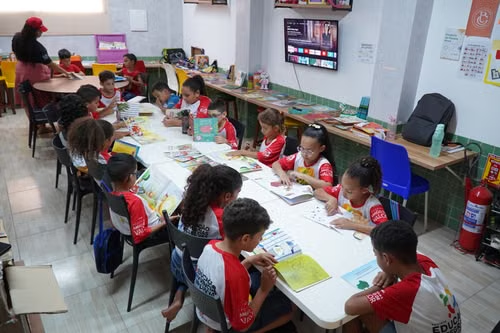
Individual households are not the only ones that are vital to scaling up protective education in neighborhoods; schools, faith groups, and community organizations are also key. Children learn to know what behaviors to avoid, listen to their internal cues, and approach them for assistance through structured awareness programs. Community workshops build the capacity of teachers, coaches, and youth leaders to identify early signs of trauma and to report accordingly. Trainings, conducted through the school, community, and health services, create a solid network of support and protection for vulnerable children in all active areas of community life.
Supporting Survivors Through Trauma-Informed Awareness
Awareness is also crucial for helping adult survivors of childhood trauma. Awareness and education of the public regarding the long-term emotional and psychological effects of early abuse help to break the negative social stigma which can hinder recovery. Empathy, validation, and targeted recovery supports enable individuals to heal, and when communities offer these supports, they offer safe pathways for personal healing. Embracing trauma-informed care gives affected people the ability to restore self-worth, get professional help, and effectively stop generational cycles of harm in families for generations to come.
Conclusion
Education and awareness are fundamental to successful, ongoing child protection interventions. Through demystification, provision of tools and resources for parents, expansion of community networks, and survivors’ healing, a collective armor is created for young people. Family-driven philanthropy and nonprofit leadership are an important part of ensuring that these educational programs are available to all. Significant investments in proactive knowledge today will keep future generations safe and empowered everywhere.