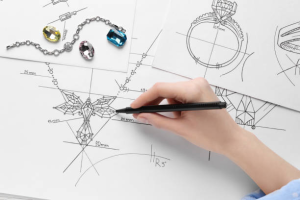
The key to creating a distinctive art style is not to wait until the inspiration comes, but to work on it deliberately, as a student of oneself, and to experiment consciously. In 30 days, you can develop a recognizable style through studying your influences, honing your techniques, and making deliberate decisions about the appearance you would like your work to have. It is much better to be consistent than perfect; the idea is to make progress, not to create a masterpiece on the first day. Even amateurs can observe evident development in their style within a month with discipline.
1. Clarify Your Inspirations and Goals (Days 1–3)
Begin by finding out what types of art you enjoy the most: character design, comics, landscapes, abstract, flat, or painterly realism. Create a mood board where you collect images, colors and compositions that you like. There, specify what you want your style to convey, such as playful, dark, minimal, detailed, cute or bold, and compose a brief style statement, such as I want clean, stylized characters with strong silhouettes and limited color. Having your targets in sight will keep you on track throughout the month.
2. Choose a Single Subject or Theme (Days 4–5)
3. Copy, Study, and Analyze (Days 6–10)
During the initial week, sketch 10-20 works of artists you like. Copy, do not trace, their work in your own medium. When you copy, question yourself about what they are up to: negative space, line variation, simplification of shapes, or color blocking. Write a short note on one thing you learned after each study. This does not mean imitating their style but learning the impact that decisions have on the end appearance. By the week ending, compare your own drawings, and record any unintended patterns that begin to develop.
4. Create a Style Formula (Days 11–15)
In the second week, you will be able to begin crafting your own formula of style. Choose one or two rules: a favored weight of line, a restricted color range, common angles of poses, or common arrangements. You could make a decision, for instance, to make all your characters have big eyes, hard angles in the face and flat color without lines. These are rules to use with all drawings, even though they may seem to be limiting at first. Playing within restrictions discloses your tastes and develops a familiar visual language.
5. Experiment and Break the Rules (Days 16–22)
After it is comfortable with the formula, spend some days breaking it. Experiment with exaggerated forms, completely contrasting colors, or more relaxed, drawing-like lines. Go outside your comfort zone of work to find out what is exciting or uncomfortable. There are some of these experiments that will not work, but some will surprise you. Store the best ideas and work them into the next model of your style. Imagine this as a style lab, where you experiment and get to know in a short time.
6. Iterate and Refine (Days 23–28)
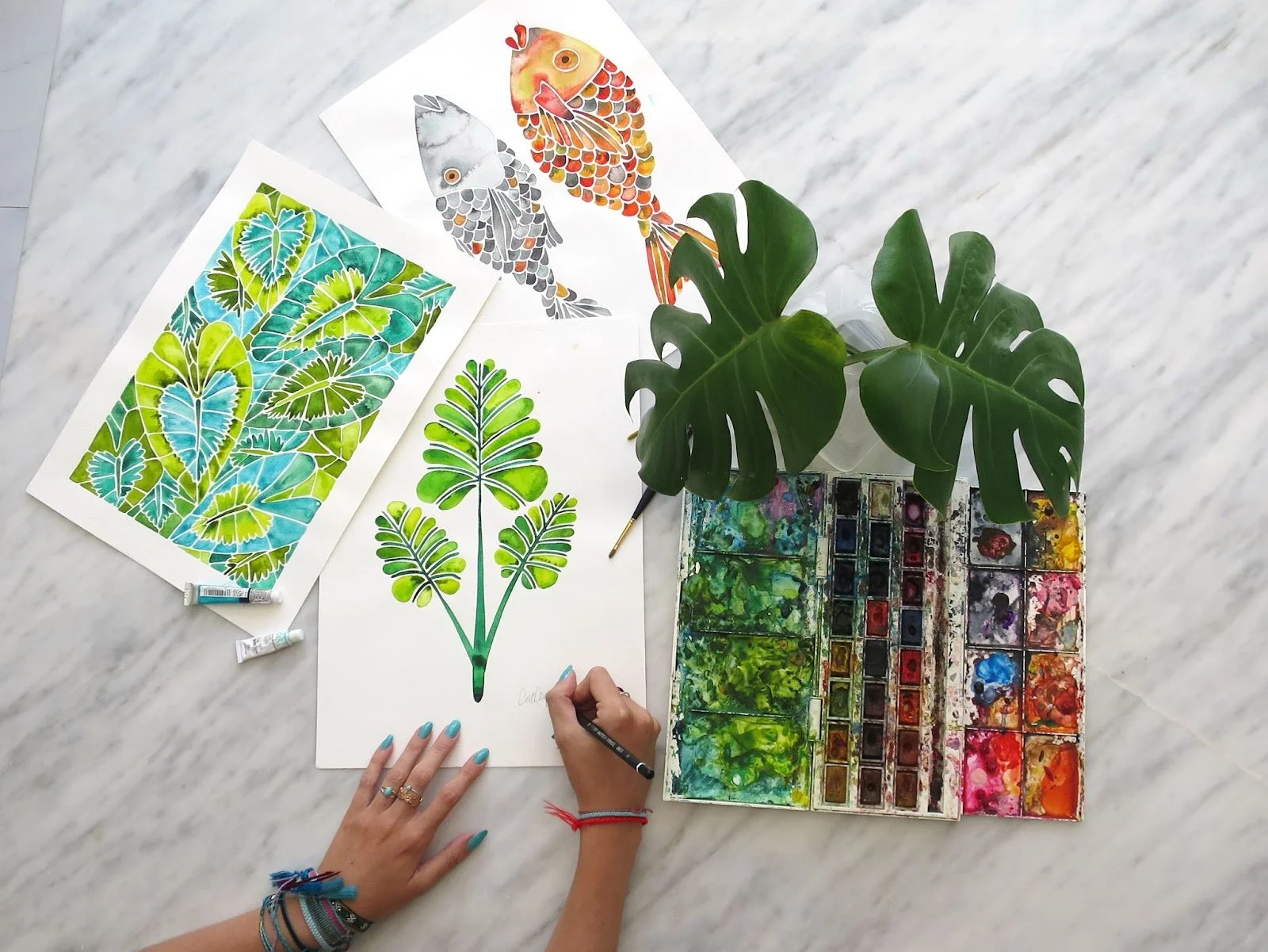
During the final stretch, work on refinement. Draw the same object again and again, perfecting proportions, lines, color effects. Compare sketches on day-1 with your work. This comparison can guide you to observe improvement and make decisions on what to retain and what to discard. Another thing you can do is to begin blending your preferred elements of copies, studies and experiments into a single appearance rather than switching between modes.
7. Announce a Finished Set (Days 29–30)
In the end days, select 8-10 items that most effectively reflect your developing style and display them in a small series. Post them on social media, in a portfolio, or to friends, and request them to provide certain feedback. Do you identify the drawings as your own? Are they cohesive? Take this answer as a guide in the coming month. By the end of 30 days, your style will not be as complete, but will be more focused and conscious and will be prepared to be refined further.