A brand identity is not just a logo and color scheme, but how people identify, recall and think of your business or product. A well-done brand is immediately recognizable and emotionally engaging, making a presence in a competitive market. The secret is to create a brand that seems to be consistent, authentic, and relevant to the audience that you desire to reach. Some deliberate decisions can transform a generic product into a catchy, sticky brand that people can trust and refer to.
1. Define Your Core Values and Purpose
All great brands begin with a sense of purpose and values. Ask: What is the problem you solve? Who do you serve? What is your motto? The solution turns into the basis of your brand identity. Once you understand what is important to you, it will influence your message and design. A brand that is perceived as principled and purposeful resonates with audiences on a higher level, particularly when values are shared with those of the target audience. Customers do not purchase products, they purchase beliefs, mission and vision.
2. Develop a Consistent Visual Identity
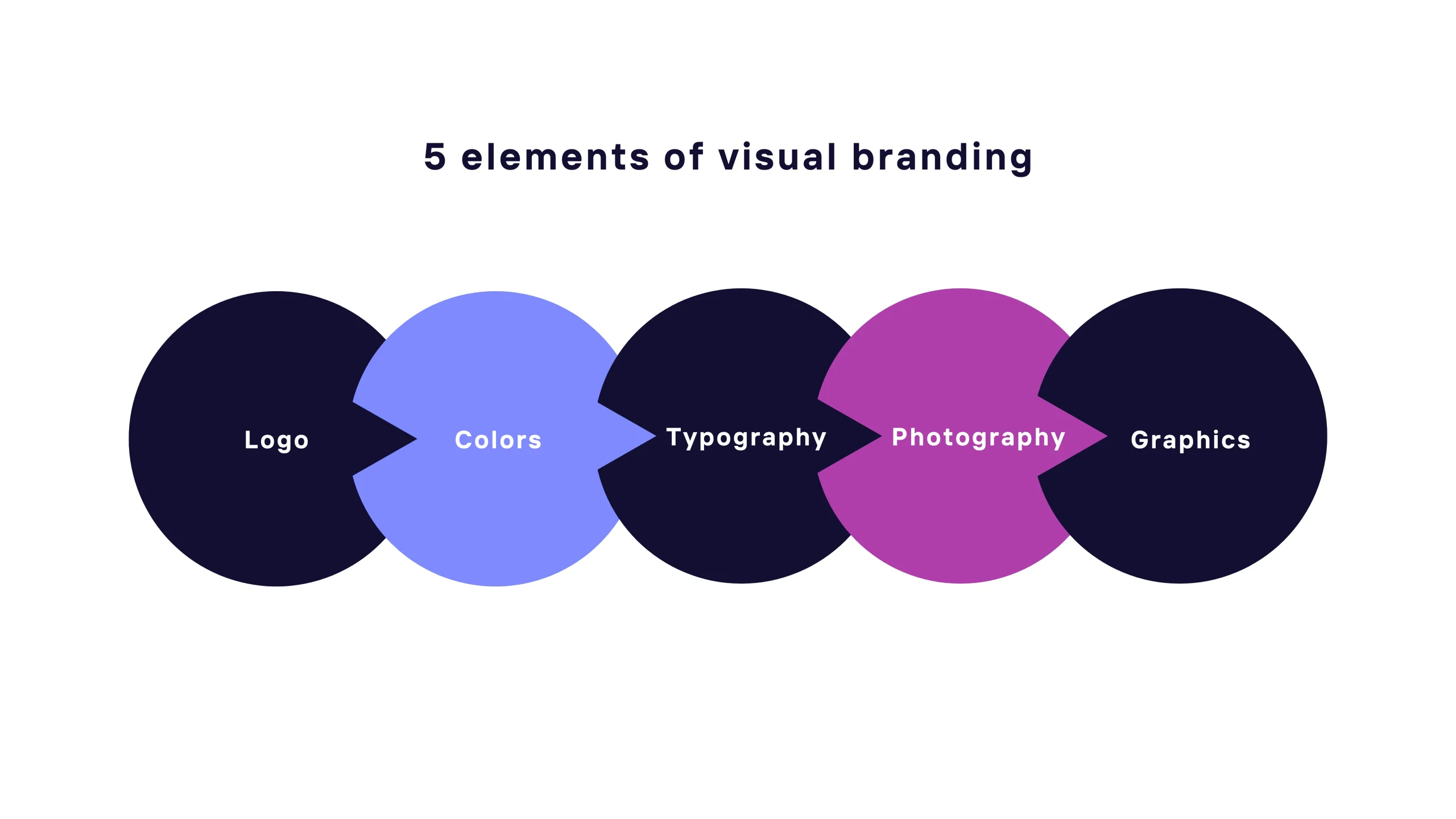
The first thing that people see is images and therefore they need to be powerful and consistent. Choose a logo, color scheme, font and image aesthetic that can be utilized in all mediums, including the web, social media, packaging, and marketing. Consistency is useful in developing a recognition; when a brand appears different each time, no one can remember it. Select a simple, scalable logo and a palette of few colors and replicate them with discipline. The presence of a powerful visual system, used consistently, makes a brand professional and memorable in the long term.
3. Craft a Distinctive Voice and Tone
Perception is as much influenced by words as visuals. The voice of your brand, or how it talks, is in your taglines, your web site text, your emails, and your posts on social media. Is it amiable, dominant, jocular or solemn? A brand that sticks would pick a tone and will stick to it. As an example, a technological start-up may sound innovative and friendly, whereas a luxurious brand may sound sophisticated and sophisticated. Voice consistency creates personality, personality creates emotional connection. As long as individuals are able to hear the brand, it is remembered and trusted.
4. Tell a Clear, Relatable Story
Stories are more memorable than lists of features. A sticky brand tells a story to explain why it is there, how it came to be, or what the difference it brings into the life of the people is. The story may be told via the site, advertisements, packaging, or interviews with the founder. It must bring to the fore real problems, real solutions and real people. Storytelling makes brands more human, particularly in saturated markets where products are homogeneous. A plain, real-life story can assist viewers in perceiving the brand more than just a logo, but as a character in their lives.
5. Align Every Touchpoint with the Brand
The strength of a brand identity is as weak as the weakest touchpoint. All that the audience interacts with, the website, social media, customer service, packaging, even invoices, must also be in the same visual style, values and tone. Once everything is made to seem like a part of a single family, the brand will seem unified and professional. Unstable experiences, in turn, mislead individuals and undermine trust. Good brands consider each detail, large or small, as an image of the identity.
6. Stay Consistent While Adapting to Change
It takes time and patience to create a brand that endures. Do not make sudden unexplained changes in appearance, message or behavior without any obvious explanation. Change is good, yet stability is how the audience becomes accustomed. An established brand, even in the face of growth, updates its images and messages slowly, not by a complete rebranding. The intention is to remain faithful to the main principles and revise the information to be up-to-date and modern.