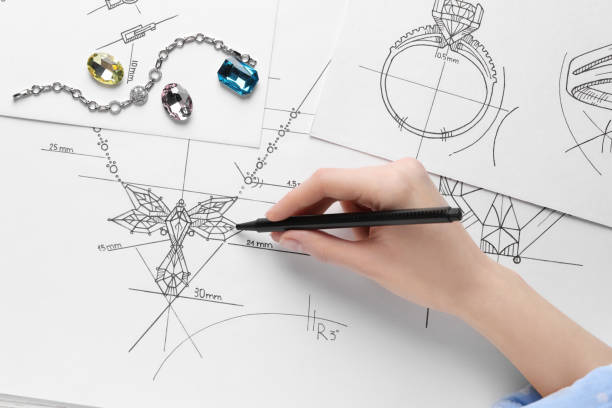
The high end jewelry industry is undergoing a significant transformation driven by rapidly changing consumer behavior. Luxury consumers for many generations depended solely on the tradition of the house to determine what styles, metals and cut of the gem were fashionable. The times have changed, and today it is the buyer who has the upper hand. Today’s consumers are very knowledgeable, technologically connected, and expression oriented. This broad change demands that design houses abandon uniformity in factory assembly and listen to the needs of customers. Jewelry manufacturers are redefining the luxury design rules of today’s world by evolving to meet the new demands for versatility, individuality and high quality material integrity.
Demanding Accessories That Highlight Personal Identity
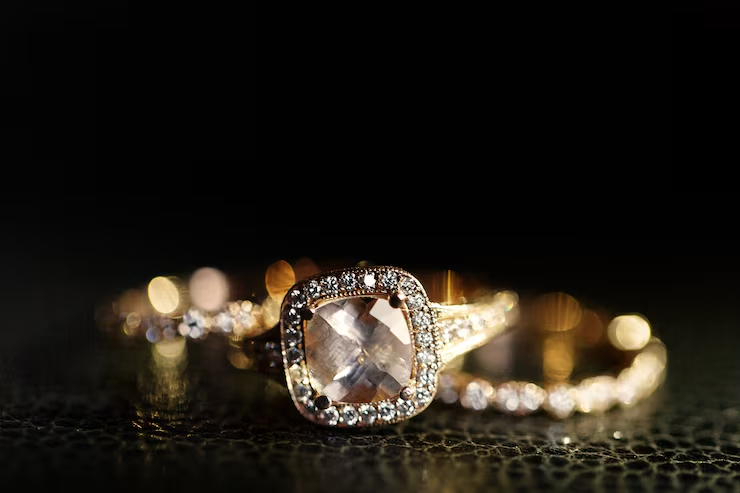
Today’s rich person isn’t buying a gorgeous accessory just to show off his or her wealth, or just to conform to the rules of accessories. Rather they see their personal ornaments as an intimate extension of their true self and a great tool for visual storytelling. Reviewing the expert insights shared by Jeremy Millul on jewelry trends highlights how contemporary design must focus on creating meaningful conversation starters that reflect a wearer’s distinct personality. With this increased need for the expression of authenticity, premium producers are increasingly emphasising special geometry, strong colour combinations and all-round flexibility. Designing items that carry real emotional value allows brands to replace short term transactional habits with deep, long term customer loyalty across competitive global markets.
Prioritizing Versatility for Seamless Transitional Wear
Traditionally, one has been buying fine jewellery only for special occasions, such as unusual formal galas, and even this has dropped significantly. Today’s businesspeople are looking for items that are well-made enough to fit a wide variety of social and professional settings without a problem and that can handle a hectic day. This preference for practical functionality shapes the industry by popularizing modular jewelry structures, stackable rings, and lightweight layering chains. Now designers are creating gorgeous diamond studs, sleek metal bracelets and delicate tennis bracelets that can be worn anywhere from a boardroom to a dinner party. When versatility is the main priority, these luxury goods will deliver the highest level of value in terms of looks, feel and usability.
Insisting on Material Integrity and Supply Chain Transparency
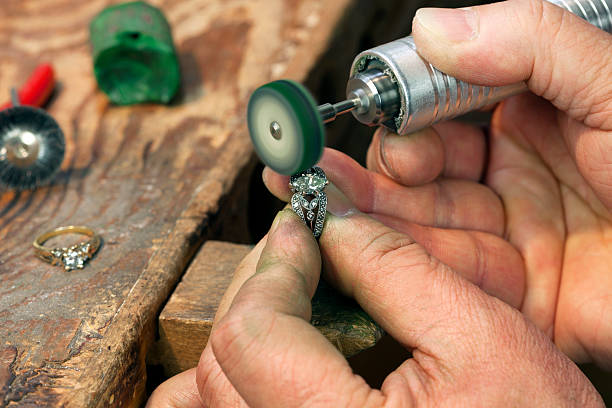
Jewelry buyers today are mindful of the integrity of the jewelry and its ethical history. The mass produced articles with poor base metal, which tarnish easily do not meet the exacting standards set by today’s demanding collector. Consumers want to be certain of gemological certifications, stone settings, and material durability for the long-term. The emphasis on quality and premium goods makes it necessary that entrepreneurs have to be highly involved in the negotiations with suppliers and in the manufacturing process, with total precision in the background. When crafted from solid gold, sterling silver and platinum, the resulting jewelry is able to retain its beautiful shine over time, making it a worthy heirloom for the family.
Embracing Clean Minimalist Refinement Over Heavy Designs
Bold designs are still important in fashion, but a huge surge of consumers now prefer minimalist refinement. The current approach to accessories is one with clean lines, subtle proportions and understated elegance. It’s a minimalist design approach that guides designers to emphasize the natural and precious brilliance of precious stones over clutter. Sleek, geometric body contours and flush design make for a very contemporary appearance, which complements modern outfits. This elegant way of producing is a testament to how the most delicate details can create the most elegant look in this fast moving world.
Conclusion
With its focus on individuality, versatility, and rigorous material quality standards, the design of luxury jewelry is well on its way to shaping the future, thanks to consumer preferences. Every modern design house is aware of the fact that they have to shift away from the uniformity of collections and put emphasis on the personal style statement, so as to remain relevant to their worldwide clients. Modern production continues to be efficient and very robust as it is continuously required to provide transparency in the supply chain and comfort every day. Fine gemstones are timeless and unchangeable, but the way in which they are worn has changed forever. By adopting these customer-centric innovations, progressive businesses can guarantee a successful and sustainable competitive strategy in the fashion industry.