Natural light is among the strongest methods in photography and can transform the most mundane of scenes into beautiful images with depth, warmth and texture. In contrast to artificial light, natural light varies during the day, providing soft, harsh, golden or dramatic effects that may entirely transform the atmosphere of a photograph. Knowing how to read it and how to work with it enables photographers to create better composition, prevent severe shadows, and take more flattering portraits and landscapes. It takes just a few tricks to begin utilizing natural light in a more efficient way.
1. Shoot During the Best Times of Day
The light variations with time are dramatic in terms of quality. The so-called golden hour is early morning and late afternoon, when the light is soft, warm, diffused, and flattering to skin tones, with gentle shadows and textures. Midday light, in contrast, is intense and generates a high contrast, shadow, and highlights that may soften out the details. In most topics, such as portraits, product photography and street scenes, it is better to schedule the shoot towards sunrise or sunset which gives much more pleasant results. When you have to shoot in the brighter daylight, seek open shade, under a tree, awning, or building, to diffuse the light and lessen glare.
2. Observe the Direction and Quality of Light

Light does not just drop down, but it is in certain directions–front, side, back or a mixture. Side light is used to highlight texture and depth giving deep shadows and highlights to faces, architecture or a landscape. Unintentionally, backlighting, where the sun is behind the subject, can form silhouettes, glow edges, or a dreamy, hazy effect. The front light is usually flat and even, and this is effective in taking simple snapshots, but does not create drama. Before you press the shutter, watch the light on your subject and go around to get the most flattering position, rather than just being where you are.
3. Use Diffused Light for Flattering Portraits
Bright, hard sunlight tends to provide harsh highlights and dark shadows on the faces particularly around the eyes and nose. In portraits, find diffused light, as in a cloudy day, through a window with a sheer curtain, or in the open shade. The light is diffused around the face and it evenly covers the skin tones and harsh lines are reduced. When it is daytime and the sun is shining brightly, rearrange the subject to make him/her face the sun but shade the other side of the face, or use a reflector to reflect the light to the dark part of the face. This easy correction can radically enhance skin color and eye catchlights.
4. Work With Window Light Indoors
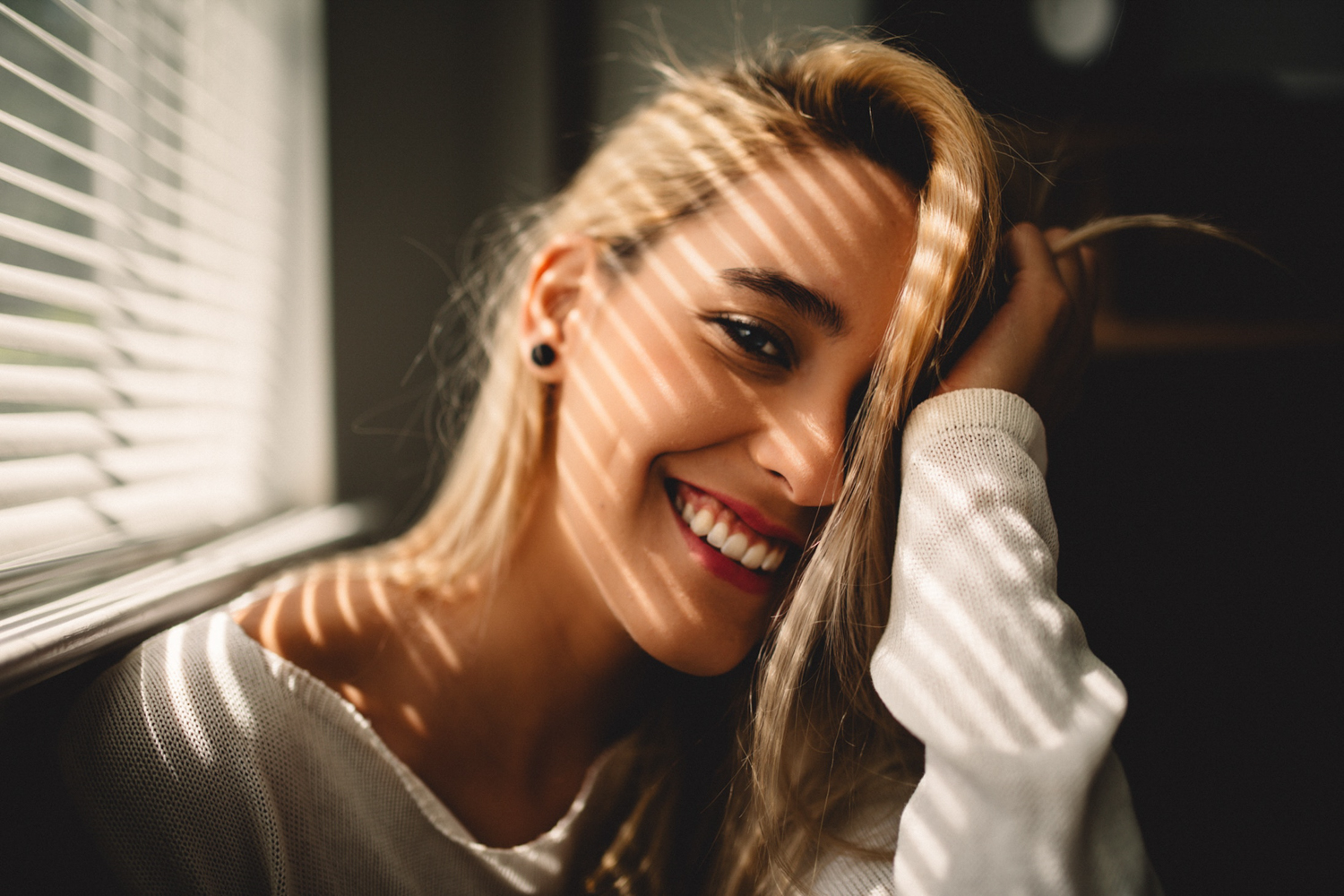
Natural light pouring through windows is a powerful portrait and still‑life resource. Place your subject before a big window and turn him or her towards the light, and allow the soft daylight to fall upon their face. The window should not be right behind the subject as it will produce a silhouette. Rather, place it as a side or frontal light and regulate the distance to regulate brightness. Light can be bounced back softly by a second window or a white wall, filling in shadows and decreasing the contrast. Lifestyle, fashion, and product photographs can be especially well-illuminated using window light, and it provides a natural appearance.
5. Watch for Color Temperature and White Balance
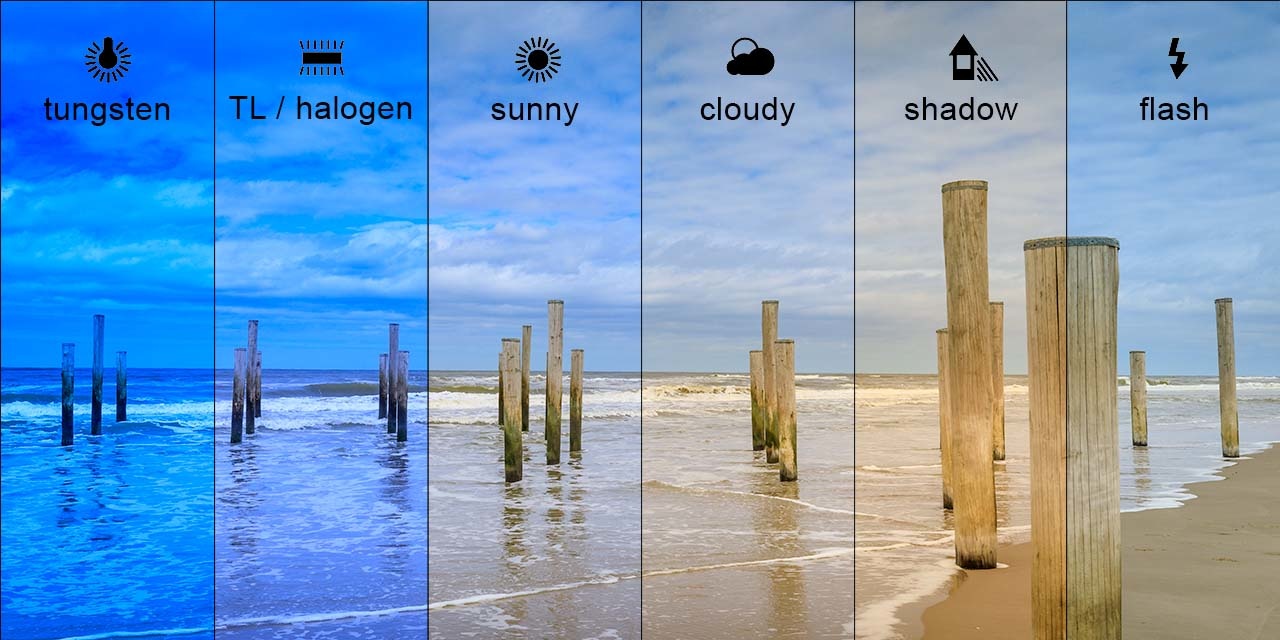
The color of the day varies with the sunshine. The light in the morning is usually cool blue and in the late afternoon and sunset, warm, golden or orange. Different conditions, like shady areas near sunshine, may result in varying color temperatures in the same frame. Adjust your camera white balance to fit the light daylight, cloudy, shade settings keep the colors true or creatively warm. RAW shooting will enable you to adjust the white balance afterwards without degrading the quality of the image. Understanding the temperature of colors will enable you to create a deliberate effect, be it a cool or a cozy feel.
6. Use Light to Shape Mood and Composition
In addition to technical exposure, natural light is a mood-shaper. Light that is soft and even is relaxed and serene whereas hard and directional light is dramatic and intense. The emotional tone of a photograph can be added by silhouettes, long shadows, rim light and flares. Consider light as composition: frame subjects with shadows, place subjects in areas of brighter light, or allow the golden light to pass through trees or architectural lines and lead the eye of the viewer. Natural light is not only something that occurs in the background but an active part of the storytelling process, with practice.